Vydehi School

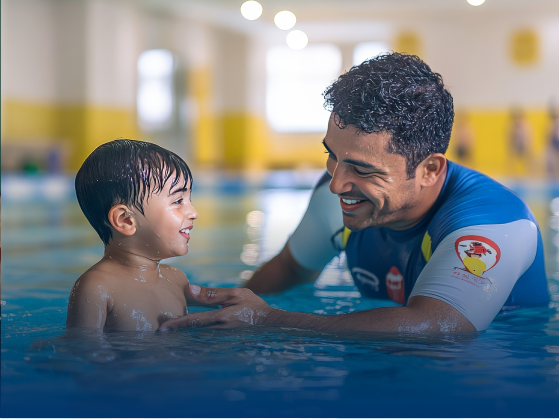
Aquatic therapy utilizes water-based
activities designed by qualified therapists to
enhance physical, psychological, sensory,
and cognitive functions.

Aquatic Therapy

Overview


Aquatic therapy utilizes water-based activities designed by qualified therapists to enhance physical, psychological, sensory, and cognitive functions. Support Benefits

  • Improves strength, endurance, coordination, and balance
  • Promotes self-esteem and positive mental attitude
  • Reduces sensory sensitivities and self-stimulatory behaviours
  • Calms hyperactivity, aiding daily coping skills Overview


Therapeutic Approach


Our occupational, physical, and speech therapists work with individuals across a spectrum of abilities and challenges, including:

  • Sensory processing issues unresponsive to land-based therapies
  • Self-stimulatory or self-injurious behaviours
  • Fear or anxiety related to water due to sensory issues or trauma
  • Adaptation challenges to new environments


Structured Sessions

Therapy sessions follow a rhythm and routine, providing a secure environment where individuals feel comfortable and supported as they progress.

Transforming Lives, One Splash at a Time.


Water Works: The Power of Aquatic Therapy

Aquatic therapy combines the therapeutic benefits of water with structured, purposeful activities designed by qualified therapists. It supports the restoration, improvement, and maintenance of essential functions through water-based interventions.


Why Water Works:

  • Physical Benefits: Improves strength, endurance, coordination, and balance.
  • Psychological Benefits: Fosters a positive mental attitude and boosts self-esteem, enabling better interpersonal engagement.
  • Sensory Benefits: Calms sensory systems by reducing hyperactivity, tactile sensitivities, and self-stimulatory behaviors.
  • Adaptive Skills: Helps individuals cope with daily demands in a supportive and structured environment.


Therapists at our facility tailor sessions to individuals with diverse abilities, including sensory processing challenges, behavioral concerns, or fear of water. Through rhythm and routine, participants find comfort and joy, unlocking their potential one session at a time.

Therapist’s Role

Aquatic therapy combines the therapeutic benefits of water with Therapists carefully assess sensory and physical needs, designing purposeful activities that enhance coping skills and improve overall quality of life.


Therapist’s Role

Aquatic therapy combines the therapeutic benefits of water with Therapists carefully assess sensory and physical needs, designing purposeful activities that enhance coping skills and improve overall quality of life.


Different Approaches in Aquatic Therapy

  • Aquatic therapy sessions are tailored to meet individual needs and family goals, addressing physical, social, cognitive, communication, vocational, and psychological development.
  • Individual Sessions
    Focused one-on-one sessions are ideal for those requiring personalized attention. These sessions help improve:
  • Attention span and concentration
  • Impulse control and frustration tolerance
  • Self-confidence and survival skills
  • Propulsion and movement in water


Group Sessions

Group sessions foster social skills through cooperative and competitive play. Participants learn to:

  • Engage with peers and share resources
  • Collaborate in activities and follow group dynamics
  • Build teamwork and interpersonal relationships